How Much Does Commercial Landscape Maintenance Cost in Melbourne?
Commercial landscape maintenance in Melbourne is usually priced per visit or through a fixed monthly contract. Melbourne landscapers typically charge $58–$115 per hour, and fortnightly maintenance of a multi-unit strata property commonly costs around $200–$800 per visit. Larger sites with extensive lawns, garden beds, hedging and irrigation need substantially higher annual budgets.
The final cost depends on the size and layout of the property, the scope of work, visit frequency, seasonal growth and any compliance requirements. This guide explains what’s included, how pricing works, typical annual budgets and how to compare quotes.
Figures are indicative 2026 ranges from published cost guides, not fixed quotes. Your actual cost depends on a site inspection and agreed scope of works.
What commercial landscape maintenance includes
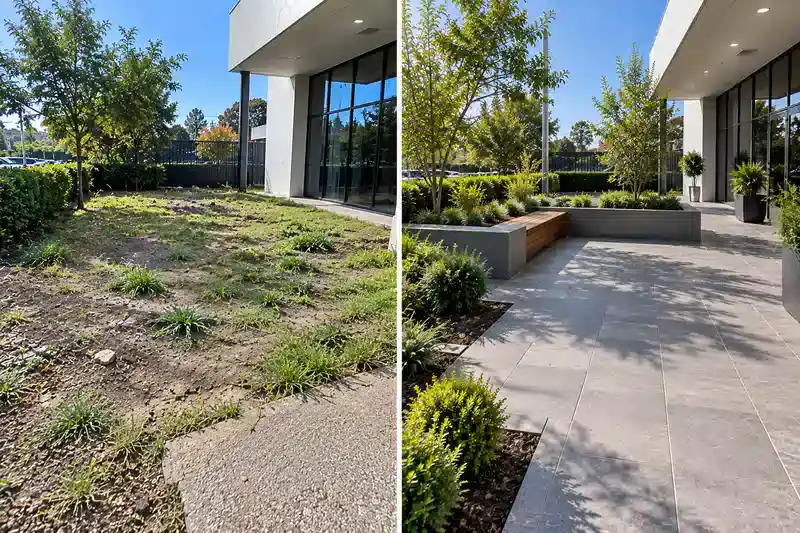
Commercial landscape maintenance covers the regular care needed to keep a property’s outdoor areas safe, tidy and presentable. It combines routine tasks at every visit, seasonal tasks a few times a year and extra work quoted separately. Because the exact scope is set by the contract, two contractors can quote very different prices for the same property.
Routine work at every visit
- Lawn mowing and edging along paths, garden beds and kerbs
- Weed control in garden beds, paving joints and gravel areas
- Blowing and sweeping paths, entrances and car park edges
- Litter and debris removal from gardens and common areas
- Removal of routine clippings and prunings, where included
- General inspection for damaged plants, trip hazards and visible drainage issues
Seasonal work
- Hedge trimming and shaping
- Pruning shrubs, groundcovers and small trees
- Mulching garden beds to reduce weeds and hold moisture
- Lawn fertilising to support healthy turf
- Autumn leaf clean-ups
- Preparing lawns and garden beds for hot, dry summers
- Replacing dead or failing plants
Extra work quoted separately
- Lawn repairs and returfing
- Irrigation inspections, repairs and upgrades
- Tree work beyond routine shrub and small-tree pruning
- Storm damage and large clean-ups
- Garden bed renewals, drainage improvements and other landscape construction
How Is Commercial Landscape Maintenance Priced?
Contractors generally use one of three pricing structures.
| Pricing model | How it works | Best suited to |
|---|---|---|
| Fixed price per visit | A set fee for each scheduled service | Strata properties, offices and retail sites |
| Monthly or annual contract | A recurring fee covering an agreed schedule and scope | Property managers and owners corporations wanting predictable budgets |
| Hourly rate | Labour time plus equipment, materials and disposal | One-off clean-ups, extra work and smaller jobs |
For ongoing commercial properties, a fixed per-visit or monthly contract makes budgeting easier. Extra work is then charged at an agreed hourly rate or quoted separately.
Always confirm whether a quoted rate includes GST, travel, equipment, green waste disposal and materials.
Commercial Landscape Maintenance Costs at a Glance
| Cost type | Indicative cost | Notes |
|---|---|---|
| Landscaper rate in Melbourne | $58–$115 per hour | Confirm whether it’s per worker or per crew |
| General gardener rate | $55–$80 per hour | Routine mowing, pruning and weeding |
| Multi-unit strata site, fortnightly | $200–$800 per visit | Depends on garden size, condition and scope |
| Large institutional grounds | Potentially six figures a year | Depends on site size and contract requirements |
Annual routine visit examples
These examples show how per-visit prices turn into an annual budget. They assume 17 fortnightly visits from September to April and 4 monthly visits from May to August, giving 21 visits a year.
| Visit schedule | Visits each year |
|---|---|
| 17 fortnightly visits from September to April and 4 monthly visits from May to August | 21 |
These figures cover routine visits only. Allow a separate budget for mulching, replanting, major pruning, irrigation repairs and storm clean-ups.
Multi-building and institutional sites need more labour, equipment, coordination and reporting. For example, Melbourne Polytechnic’s 2021–2024 tender for lawn mowing and garden maintenance across its campuses was valued at about $567,600 over three years. It shows the scale of multi-campus work, not the cost of a typical commercial property.
A small property with intricate beds and formal hedges can take longer than a larger site with open lawns and low-maintenance planting. That’s why site-specific quotes are more reliable than pricing by square metre.
How much does a commercial gardener charge per hour?
Melbourne job ads show landscape maintenance workers earning roughly $30–$50 per hour. A contractor’s charge-out rate is higher because it also covers:
- Superannuation, WorkCover and leave entitlements
- Public liability insurance
- Vehicles, fuel and travel between properties
- Mowers, hedge trimmers, blowers and equipment servicing
- Green waste collection and disposal
- Scheduling, supervision and administration
- Safety documentation and site inductions
- Business overheads and a sustainable margin
An unusually low quote isn’t automatically poor value, but check whether it leaves out insurance, waste removal, essential tasks or adequate visit frequency.
What affects commercial landscape maintenance costs?
Larger sites need more labour, but layout matters as much as area. Narrow garden strips, many small beds, slopes and areas spread across buildings take longer than one open lawn.
Basic mowing and edging costs far less than a full package that includes pruning, hedging, weeding, mulching, fertilising, irrigation checks and green waste removal.
Weekly visits cost more over a year, but each visit is quicker. Infrequent visits let weeds, hedges and lawn problems build up, so each visit takes longer.
Melbourne gardens grow fastest from spring through autumn. Many contracts reduce visits over winter, which helps control annual costs.
Formal hedges, topiary and high-maintenance planting need regular skilled pruning. Hardy, drought-tolerant planting usually needs less work once established.
Restricted access, limited parking and after-hours work add cost. Retail frontages, hospitality venues and busy office entrances often need work outside peak hours.
Large hedges, mature shrubs and extensive lawns produce more waste. Check whether disposal is included or charged by volume.
Some commercial and institutional sites require higher insurance limits, inductions, safety documents or contractor portal registration, which adds administration cost.
How to Compare Quotes and What a Contract Should Include
Quotes are only comparable when every contractor prices the same areas, tasks and frequencies. Use this checklist when reviewing proposals and finalising the contract.
| Item | What to confirm |
|---|---|
| Areas covered | Lawns, beds, hedges, entrances, paths, car park edges and common property |
| Tasks and frequency | Which routine and seasonal tasks are included, how often, and seasonal changes |
| Labour | Number of workers and expected time on site |
| Inclusions | Green waste removal, litter collection, path blowing, materials and equipment |
| Exclusions | Major tree work, irrigation repairs, replanting, storm damage and upgrades |
| Additional work | Hourly rates, minimum charges and who approves extra work |
| Reporting | How damage, plant failures, trip hazards and irrigation faults are reported |
| Compliance | Insurance certificates, safety documents and induction requirements |
| Payment terms | Billing frequency, GST treatment and payment deadlines |
| Contract conditions | Term, renewal, notice period and price review process |
The cheapest quote isn’t always the lowest cost over a full year. Fewer visits or limited seasonal work can lead to extra charges later. For more on checking a contractor’s insurance and credentials, see our guide to hiring a landscaper in Melbourne.
Strata garden maintenance costs in Melbourne
In Victoria, owners corporations are responsible for maintaining common property under the Owners Corporations Act 2006. Garden maintenance is usually a recurring item in the annual budget for apartment complexes, townhouse developments and shared residential properties.
A fixed per-visit or monthly agreement makes strata garden maintenance costs easier to forecast. A reliable contractor should also report problems early, such as failing plants, drainage issues, overgrown vegetation and trip hazards, so the committee can act before repairs become expensive.
When requesting quotes, give contractors a site plan if available, a list of shared areas, your presentation standards and any access restrictions. For more on managing shared gardens, see our strata garden maintenance guide.
How to reduce ongoing landscape maintenance costs
- Agree a clear scope of works. Pay for what the property needs, without leaving out essential tasks.
- Adjust visits seasonally. More visits during active growth, fewer during slower months.
- Choose lower-maintenance planting when renewing beds, matched to the site’s soil, exposure and drainage.
- Mulch garden beds to suppress weeds and hold moisture, keeping mulch clear of plant stems and buildings.
- Fix underlying problems. Poor drainage, compacted soil and failing lawns cause recurring costs.
- Bundle extra work like mulching or replanting into a scheduled visit to avoid separate call-out costs.
Can landscaping upgrades reduce maintenance costs?
Some landscapes cost more to maintain because of how they were designed or built. Lawns that never establish, weed-filled beds and areas that flood after rain add time to every visit.
Targeted upgrades can lower ongoing costs:
- Replacing worn lawns with properly prepared turf or a more suitable groundcover
- Renewing tired beds with lower-maintenance garden landscaping
- Improving drainage to stop recurring waterlogging
- Redesigning hard-to-maintain areas to improve access and reduce labour
Compare the upfront cost with the likely maintenance savings. For upgrade budgets, see our landscaping cost guide.
Commercial landscape maintenance with TXR
TXR Landscaping Contractors provides scheduled landscape maintenance for commercial properties, strata and body corporate sites, offices, retail frontages and residential developments across Melbourne’s inner east, south-east and bayside. Because we also deliver commercial landscaping and upgrades, you can arrange routine maintenance and larger improvements through one contractor. For owners corporations and strata managers, see our strata landscaping service.
- Site inspection before quoting
- Clear written scope of works and pricing
- $10 million public liability insurance
- Available 7 days, 8am–5pm
Need a contractor to maintain your commercial or strata property? Contact TXR to arrange a site inspection and a written, site-specific quote.
Frequently asked questions
What is the difference between commercial landscaping and landscape maintenance?
Commercial landscaping covers the design, installation and improvement of outdoor spaces. Landscape maintenance is the ongoing care of those spaces, including mowing, pruning, weeding, litter removal and seasonal gardening.
Is regular commercial landscape maintenance more cost-effective?
Often, yes. Regular visits keep the site under control, so each visit is quicker. Compare the full annual cost of each option, not just the hourly rate.
Do commercial landscape maintenance quotes include GST?
Not always. Some contractors quote GST-inclusive prices and others exclude it, so check before comparing quotes.