15 Garden Edging Ideas: Steel, Timber, Brick and Stone
Garden edging is a small detail with a big effect on how a yard looks. It marks where the lawn stops, keeps mulch from spilling onto paths, and gives garden beds a clean, deliberate outline.
Here are 15 edging ideas across steel, timber, brick and stone, and how each performs in Melbourne gardens.
Steel Edging
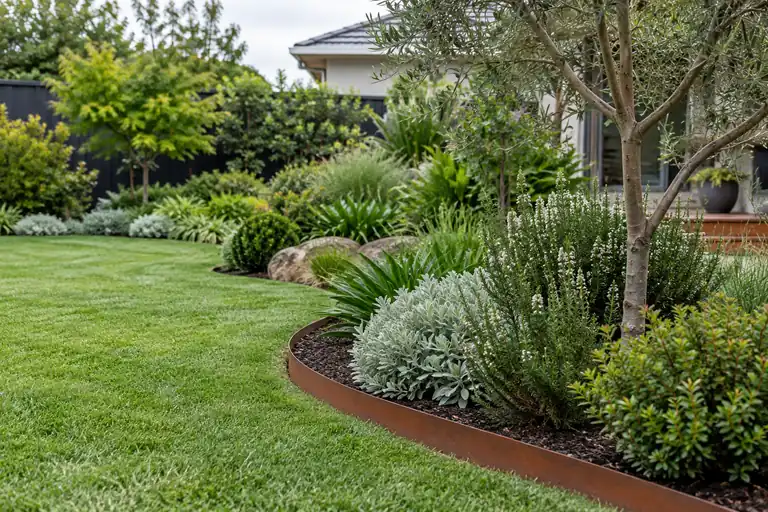
Steel edging gives a garden a clean line without drawing attention to itself, and it's thin enough to curve around beds easily.
1. Corten Steel
Corten develops a rusted, weathered finish over time rather than staying shiny. That patina actually protects the metal underneath, so the look and the durability improve together.
2. Galvanised Steel
Galvanised steel stays silver and holds a sharper, industrial look. It suits contemporary gardens where a visible border is part of the design, rather than something meant to disappear.
3. Powder-Coated Steel
Powder-coated steel comes in a range of colours, which lets the edging match or contrast with fencing, paving or house trim. The coating also adds a layer of protection against rust in exposed spots.
4. Flexible Steel Strip
Thin flexible steel strip is built specifically for curved, flowing garden bed lines that rigid materials can't easily follow. It's a common choice where a natural, organic layout matters more than a strict geometric edge.
Timber Edging
Timber brings warmth to a garden edge that steel and stone don't quite match, and it suits cottage gardens and native planting particularly well.
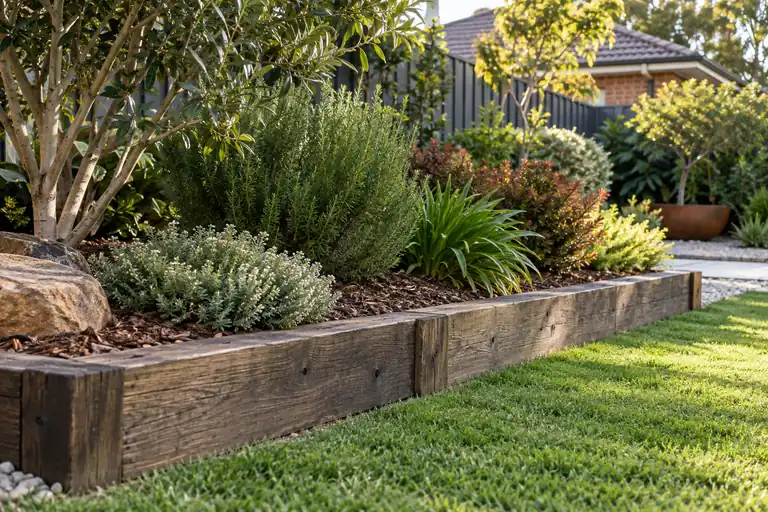
5. Treated Pine Sleepers
Treated pine is the most affordable timber option and works well for straightforward, straight-line garden beds. It needs proper treatment to handle Melbourne's clay-heavy soils, which hold moisture and speed up rot in lower-grade timber.
6. Hardwood Sleepers
Red gum or ironbark sleepers cost more than pine but last considerably longer, especially in constant contact with damp soil. For a taller edge, hardwood sleepers can double as a low retaining feature before the height moves into full retaining wall territory.
7. Log Roll Edging
Short, rounded timber pieces lined up side by side create a rustic, informal border that suits shaded gardens and woodland-style planting. It's a lower-cost option than sleepers, though it typically has a shorter lifespan in constant ground contact.
8. Woven Willow or Hazel
Flexible willow or hazel rods woven through stakes create a low, handmade-looking border suited to cottage vegetable beds and herb gardens. It's a genuinely temporary material, usually lasting a few years, but it suits a garden style where that changeable character is part of the appeal.
Brick Edging
Brick edging suits traditional and period-style gardens particularly well, which makes it a natural fit for many of Melbourne's established, older-style properties.
9. Flat-Laid Brick
Bricks laid flat in a shallow trench give a low, subtle edge that sits nearly level with the lawn. It's an easy style to mow over without needing a separate trim line.
10. Upright Brick (Soldier Course)
Bricks set on their end, side by side, create a more distinct, raised border with real visual presence. This style works especially well marking the edge of a raised garden bed or a change in level.
11. Reclaimed or Scalloped Brick
Reclaimed bricks add genuine character and suit a garden that's meant to feel established rather than newly built. Scalloped-edge bricks are a decorative variation that adds a classic, cottage-style detail along the border.
12. Paver-Matched Brick Edging
Using the same brick or paver as an existing path or patio, but in a contrasting colour, ties a garden bed visually back to the hardscaping nearby. It's a subtle way to unify a space that already has paving without introducing a new material.
Stone Edging
Stone edging gives a garden a timeless, natural feel that works across almost any style, from formal to relaxed.
13. River Rock or Gravel
Loose river rock or gravel edging drains well and suits native or drought-tolerant planting, handling Melbourne's dry summer stretches without extra watering. It's also useful on a sloped bed, helping slow water runoff rather than letting it wash straight down.
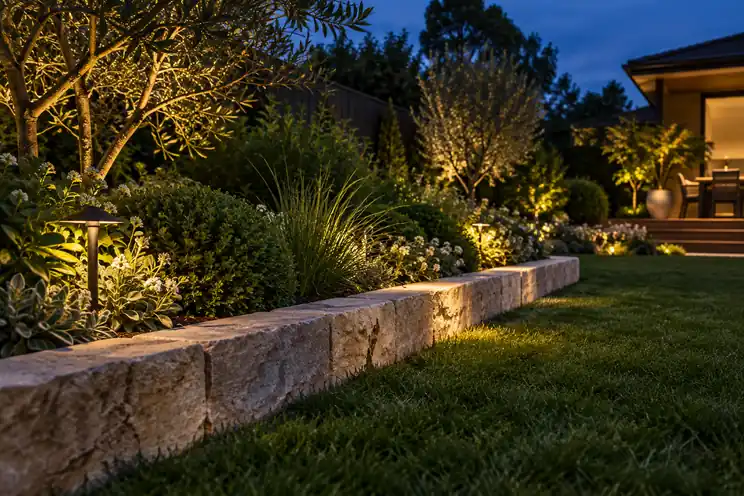
14. Cut Stone Slabs
Cut stone gives a more structured, formal edge than loose rock, with a clean, consistent line. It suits a garden where the edging is meant to read as a deliberate architectural feature rather than a natural transition.
15. Gabion Baskets
Wire cages filled with rock create a firmer, architectural edge that suits contemporary gardens and holds up well over time. Gabions need a level, properly prepared base to sit correctly, so they're generally best installed as part of a planned project rather than a weekend DIY job.
How to Choose the Right Edging
The right material comes down to the garden's style and how much maintenance you actually want to do. A period home generally suits brick or timber, while a modern garden often leans toward steel or cut stone.
Soil and drainage matter just as much as looks. Clay-heavy sections favour steel, brick or stone over timber, while free-draining sandy soil gives more flexibility across all four materials.
It's also worth thinking about scale. A small courtyard usually looks better with a thinner edge like steel, while a larger backyard can carry a bolder material like stone or brick without looking heavy-handed.
Frequently Asked Questions
What's the most durable garden edging material? Steel and stone generally last the longest with the least maintenance, often for decades. Hardwood sleepers can match that, but budget pine and softer materials like log roll or woven willow wear out faster, particularly in damp, clay-heavy soil.
Is timber edging a bad choice in Melbourne? Not necessarily, but it needs the right treatment for local conditions. In clay-heavy soil that holds moisture, a treated or naturally durable hardwood will outlast untreated softwood by years.
Can I mix edging materials in one garden? Yes, though it works best with 2 materials rather than several. A common combination is timber sleepers for garden beds paired with stone or gravel for pathways.
Does garden edging need a professional to install it? Simple steel or timber edging is often a manageable weekend project. Brick, stone walling or anything doubling as a low retaining feature is worth getting assessed professionally, since drainage and base preparation affect how long it lasts.
Planning Your Garden Edging
The best edging choice ties into the rest of the garden, not just the bed it borders. If you're planning garden beds, paving or a broader garden landscaping project, edging is worth deciding alongside those elements rather than as an afterthought.
TXR Landscaping Contractors can help plan and install garden edging as part of a wider landscaping project, matched to your garden's style and Melbourne's local soil conditions. Get in touch for a free quote.